
Captain Tsubasa 2: World Fighters Chain System Guide
How Chain Level feeds shot power, charge speed, and goalkeeper Breaks.
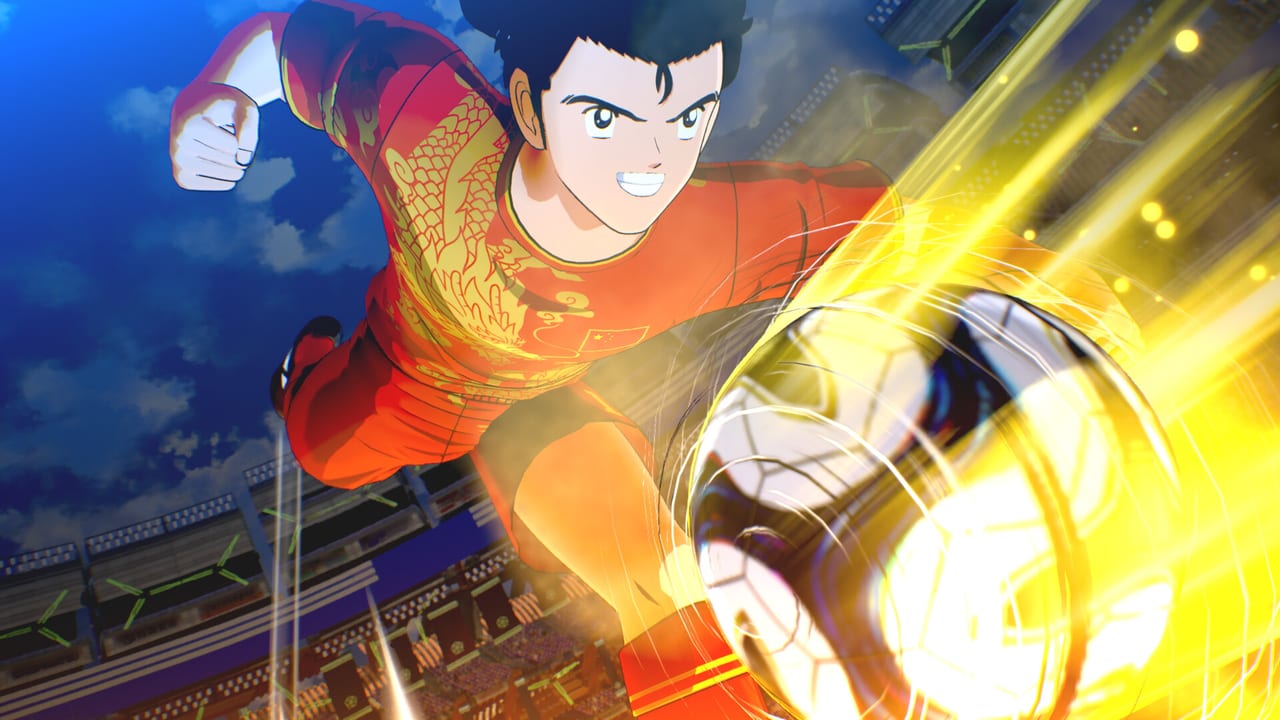
The Chain System is the biggest match-rule change in Captain Tsubasa 2: World Fighters. Japanese consoles launched on 27 August 2026; worldwide and Steam followed on 28 August 2026. If Rise of New Champions felt like isolated Super Shots, World Fighters asks you to string dribbles, passes, Max Actions, and Super Moves into a rising Chain Level before you fire. This page is the dedicated Chain desk. Pair it with how to play, Super Moves, and the goalkeeper guide.
Official system trailers describe Chain Level climbing when you beat defenders, activate Super Moves, and chain pre-shot actions. Higher Chain Level raises shot power and charge speed so you can drain keeper stamina faster. Lose the ball at a high Chain Level and that momentum leaves with it. That trade-off is the entire midfield job.
What Chain Level actually buys you
Think of Chain Level as temporary offense currency, not a permanent stat buff.
- Shot power climbs with Chain Level. Soft chips that a fresh keeper punched away in minute five become Break threats once the chain is stacked.
- Charge speed climbs too. Charged Shoot Moves and Super Shots leave the foot sooner, which matters when a Max Tackle is already winding up in front of you.
- Keeper stamina drops faster under high-chain shots. When remaining keeper stamina cannot absorb the hit, a BREAK permanently lowers the keeper’s stamina ceiling for the rest of the match.
Midfielders are the natural chain engines: Super Passes and Super Dribbles move the ball and the meter. Forwards cash the meter. Defenders protect it by winning Max Tackle clashes before the opponent steals your level.
How to build a chain without throwing the ball away
Start in Practice from the game modes menu. Build a short loop you can repeat under stress:
- Receive, take one Perfect dribble past a marker, then pass — do not sprint the full pitch on dash. Dash stamina is separate from Chain Level and dying with the ball also dumps the chain.
- Add a Super Move when the gauge is ready. Super Dribbles and Super Passes are chain food; Super Shots are the payout.
- Layer a pre-shot action — a feint, a one-two, or a Max Dribble — before you hold shoot. Official copy calls these pre-shot actions the final rungs on the ladder.
- Only then pick one of the six shot trajectories and commit. The goalkeeper guide covers the six-way read on the other side.
When two Max Actions collide, the last activation wins. That rule sits beside Chain Level, not inside it, but a lost Max clash often means a lost chain because the opponent now owns the ball.
Protecting a high chain
High Chain Level is a beacon. Opponents will Max Tackle and Super Tackle to steal both possession and your meter. Protect it the boring way:
- Pass early instead of forcing a fifth dribble into a packed box.
- Do not dash into a fresh defender when your stamina bar is already orange.
- If you must shoot under pressure, shoot. A half-charged shot that keeps the attack alive is better than a turnover that gifts the opponent your Chain Level.
- After a BREAK, the keeper is weaker for the rest of the match. Reset and build again rather than forcing miracle solo runs every possession.
Miracle Actions are a separate layer. They trigger under specific conditions and can include Miracle Team Moves or Miracle Saves. They are not a substitute for Chain Level; they are the rare swing on top of it. Trophy text even tracks “Made a Miracle Team Move” and “Made a Miracle Save” as their own flags on achievements.
Chain Level in Story, New Stars, and Versus
Story Mode teaches the loop against Thailand, Uzbekistan, Saudi Arabia, and China before the world bracket. Use the story walkthrough for order, then come back here when a midfielder feels useless because you never pass. New Stars puts a custom Japan Youth player into the same rules — read New Stars before you lock signature moves that never feed a chain.
Versus, including online ranked and private rooms on the online multiplayer page, punishes greedy chains harder than CPU Story. Local split-screen is the safest place to rehearse turnovers. Character and team ranks on the tier list hub assume you can actually cash a chain; raw Super Shot names without midfield support will not save a broken build.
Common mistakes
- Treating Chain Level like a free Super Shot button. You still need stamina, angle, and a keeper read.
- Ignoring midfield. A forward-only plan stalls at Chain Level 1–2.
- Hoarding Super Moves until stoppage time. Spent gauges that never raised the chain were wasted.
- Panic dashing after every tackle win. You rebuild faster with short passes than with exhausted sprints.
Drill the loop in Practice, then take it into World Youth and Versus. For pad labels open controls. For edition and patch context use launch notes and patch notes.
Frequently Asked Questions
Quick answers for launch week on PS5, Xbox, Switch, and Steam.
What does the Chain System do in Captain Tsubasa 2?
It raises Chain Level through dribbles, passes, Super Moves, and pre-shot actions so your shots hit harder and charge faster, which helps Break keepers.
What happens if I lose the ball at high Chain Level?
You lose the Chain Level with possession. Protect stacked chains with early passes and timely shots instead of forced dribbles.
Is Chain Level the same as a Miracle Action?
No. Chain Level is the momentum meter you build on purpose. Miracle Actions are rare conditional swings. Both matter; they are not the same gauge.
Which positions build chains best?
Midfielders with Super Passes and Super Dribbles usually stack the meter. Forwards cash it. See Super Moves for role kits.
Where should I practice chains?
Open Practice from game modes, then apply the same loop in Story and on the online multiplayer page.