
Captain Tsubasa 2: World Fighters Max Actions Guide
High-risk power moves that win duels, plus how Max Actions differ from Super Moves.
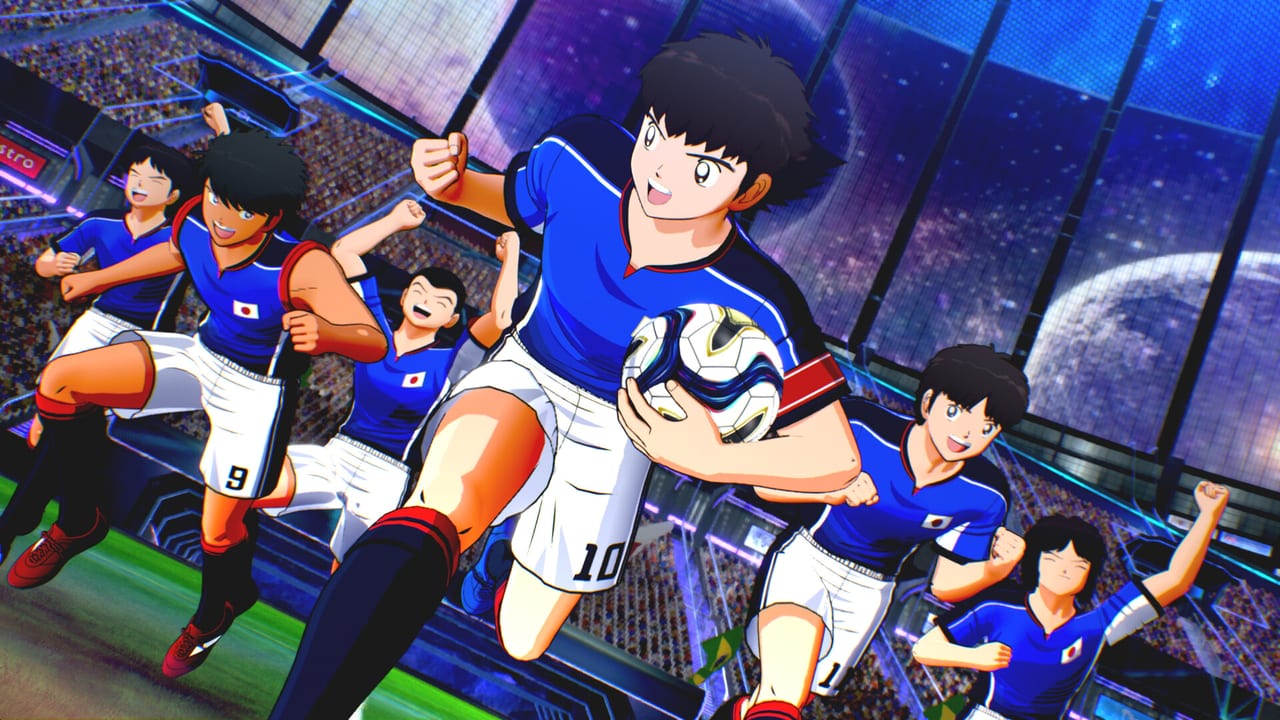
Max Actions are the deliberate high-risk power moves in Captain Tsubasa 2: World Fighters. Bandai Namco describes them as offensive and defensive choices that swing momentum when executed correctly — and hand it over when they fail. The game launched 27 August 2026 in Japan and 28 August 2026 worldwide, including Steam. This page explains what Max Actions do, how they sit beside the Chain System and Super Moves, and what the official sources confirm about input and timing.
Read this alongside the Chain System guide, Super Moves, and How to Play. If the pad map is still foreign, open Controls first.
What Bandai Namco officially says
The official system trailer names five connected systems: Max Actions, position-specific Super Moves, Chain System, goalkeeper-versus-shooter tactics, and Miracle Actions. Max Actions are distinct from all four others:
- Not Super Moves. Super Moves need a filled gauge and a dedicated button. Max Actions are separate offensive or defensive power moves with their own input window.
- Not Chain System. The Chain System builds momentum through dribbles, passes, and special actions. Max Actions are the individual high-risk choice that can win or lose a duel during that buildup.
- Not Miracle Actions. Miracle Actions are rare dramatic comeback moments. Max Actions are deliberate and repeatable.
Official material confirms: Max Actions carry high risk and high reward. It does not publish exact inputs, frame data, or universal counters.
Max Attack and Max Defense
Bandai Namco groups Max Actions into two buckets. Max Attack is the offensive variant — a burst action used to beat a defender, create a shooting lane, or force a keeper into a difficult read. Max Defense is the counterpart — a defensive power move to intercept a charging striker, disrupt a Super Dribble, or cut off a passing lane before a shot.
What the official sources do not confirm: which specific buttons trigger which variants, whether each character has unique Max Action animations, or how stamina interacts with Max Action cooldowns.
How Max Actions connect to chain and Super Moves
The Chain System rewards successful actions by building Chain Level, which amplifies shot power and charge speed. Max Actions sit inside this loop:
- A successful Max Attack can advance the ball and feed chain momentum.
- A failed Max Attack hands the ball and your chain level to the opponent.
- A Max Defense that lands cleanly preserves possession and lets you rebuild the chain.
- A whiffed Max Defense leaves a gap your opponent will exploit.
When a Max Action collides with another Max Action, Bandai Namco states the last activation wins. That rule governs mid-air 50-50s and goal-line scrambles. It does not mean an early Super Move loses to a late Max Action — they are different gauges.
Super Moves and Max Actions both spend resources. Super Moves need the gauge; Max Actions need correct timing and positioning. Experienced players treat Max Actions as situational tools, not spam buttons.
What this guide cannot confirm yet
No public source has published frame data, input tables, or universal activation windows for Max Actions as of the August 2026 launch. Community testing will fill this gap over the first weeks. Until then:
- Treat every Max Action as a commitment, not a reflex.
- Use Practice mode to find the Max Action window for each character before you need it in World Youth.
- Watch what happens when two Max Actions collide, and note who recovered first.
When the community produces a verified Max Action table, this page will cite it with platform, patch, and test conditions.
Where to use Max Actions
- Attacking: Create a shooting lane when a defender is set. Use before holding shoot, not instead of it.
- Counter-attacking: Burst past a midfielder who just committed to a Super Pass.
- Defending: Cut a Super Dribble before the opponent reaches the box.
- Goal-line: Challenge a shot that a normal tackle would not reach.
Avoid using Max Actions when your stamina bar is orange. A whiffed Max Action on low stamina often means a full turnover and a lost chain.
For goalkeeper-versus-shooter duels after a Max Action feeds a shot, open the goalkeeper guide. For Super Move kits that complement Max Action setups, see the Super Moves page. For full match strategy including when to save Max Actions for the second half, read the story walkthrough.
Frequently Asked Questions
Quick answers for launch week on PS5, Xbox, Switch, and Steam.
What are Max Actions in Captain Tsubasa 2?
High-risk, high-reward offensive and defensive power moves. They are distinct from Super Moves, the Chain System, and Miracle Actions. Bandai Namco confirms they win or lose duels depending on timing.
How are Max Actions different from Super Moves?
Super Moves need a filled gauge and a dedicated button. Max Actions are separate power moves with their own input window and risk profile. They can both advance the ball, but they do not share the same resource.
What happens when two Max Actions collide?
Bandai Namco states the last activation wins. That applies to mid-air 50-50s and goal-line scrambles where both players commit at close to the same time.
Can I spam Max Actions all match?
No. High risk is the official description. A whiffed Max Action on low stamina hands the ball and your Chain Level to the opponent. Use them situationally, not as a primary attacking tool.
Where should I test Max Actions before ranked?
Use Practice mode from game modes to find each character's Max Action window. Then rehearse in local split-screen or a private match before online ranked.
Do Max Actions affect the Chain System?
Yes. A successful Max Action can feed chain momentum. A failed Max Action loses possession and your current Chain Level. They sit inside the same loop, not beside it.