
Captain Tsubasa 2: World Fighters Common Beginner Mistakes to Avoid
Stamina waste, broken chains, keeper misconceptions, and the habits that lose matches at every level.
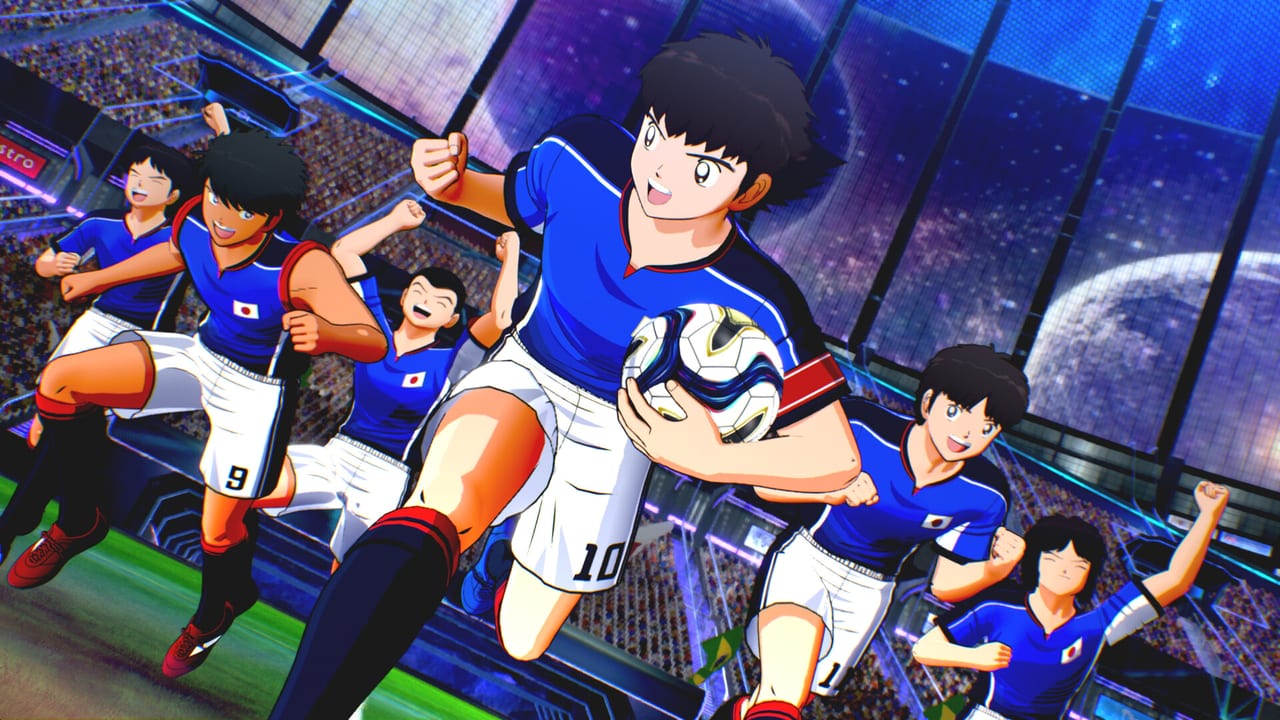
Captain Tsubasa 2: World Fighters has a steeper learning curve than the typical sports game. The Chain System, Spirit Gauge management, V-Zone, and the goalkeeper duel mechanics all layer on top of each other in ways that are not immediately obvious from the title screen. Players who rush into Story mode without understanding these systems hit a difficulty wall in the Asian qualifiers or the first World Youth bracket. This page documents the ten most common mistakes that cause early losses, with the fixes for each.
This page is written for players in the first week of ownership. The game launched 27 August 2026 in Japan and 28 August 2026 worldwide, including Steam. Read this before you start Story if you want to avoid the frustration that sends most players to Reddit threads titled “this game is broken.”
Mistake 1: Sprinting constantly
The most common early mistake is holding the sprint button continuously. Dash is not free — it drains Spirit Gauge at a continuous rate. A player who holds sprint for ten consecutive seconds enters the second half with significantly reduced stamina.
The fix: walk during build-up. Sprint only when closing a gap, exploiting space, or chasing a turnover. The Spirit you save in minute 20 is the speed you need in minute 70.
Mistake 2: Hoarding Super Move gauge
New players often refuse to spend the Super Move gauge because they are saving it for a special moment. The gauge fills slowly if you are not building chains, and a full gauge at minute 45 is less valuable than a gauge spent at minute 15 that helped you build a lead.
The fix: spend the gauge on high-percentage chances inside the box, not on speculative long-range shots. A Super Shot that forces a keeper Break is worth more than a stored gauge that expires at halftime.
Mistake 3: Forcing solo runs instead of passing
The anime makes solo runs look like the core of the game. They are not. A solo run that fails costs you both possession and your Chain Level. The opponent gets the ball back with their own momentum.
The fix: build short chains with passes and Super Passes. Even two successful passes before a shot raises your Chain Level enough to matter. Pass when the box is packed; only run when the field is open.
Mistake 4: Ignoring the goalkeeper’s stamina
Beginners treat the goalkeeper as an obstacle, not a resource. Elite goalkeepers have high stamina that makes them difficult to break. The correct strategy is to drain that stamina with repeated shots before you attempt the finisher.
The fix: take medium-quality shots from inside the box in the first half to wear down the keeper. When their stamina bar flashes red, then spend your Super Move gauge on the break shot.
Mistake 5: Not using Practice mode before Story
The game teaches mechanics through Story mode, but the teaching is spread across hours of campaign. Players who skip Practice arrive at their first real match without knowing how the chain, Super Move, or keeper read systems actually feel.
The fix: spend 20 minutes in Practice before you start Story. Practice Perfect dribbles, Super Shot charging, the six-way keeper read, and the Chain build loop. Those 20 minutes prevent hours of frustration.
Mistake 6: Attempting difficult shots from bad angles
The spirit gauge cost of a missed shot is not just the possession loss. A failed shot often grants the opponent a goal kick, which gives them time to reorganize and reduces your Chain Level.
The fix: only shoot when you are inside the box with a clear lane or when the keeper is off his line. Outside the box, pass and build. A Super Shot from the halfway line is a wasted gauge and a gifted counter-attack.
Mistake 7: Not reading the opponent’s formation
Every team in World Fighters plays differently. Thailand uses aerial duels; Saudi Arabia punishes chain turnovers; China plays a compact defense and waits for you to force a ground shot. Beginners tend to use the same approach against every team.
The fix: spend 30 seconds at the team select screen reading the opponent’s formation before kickoff. Adjust your defensive posture and attacking approach to what you actually see, not what worked against the last team.
Mistake 8: Underestimating the six-way keeper read
The goalkeeper does not just save shots — he predicts direction. The six-way system means a keeper can read a shot and move before the ball leaves your foot. Beginners treat keepers as reaction-based, not prediction-based.
The fix: watch the keeper’s positioning before you shoot. If he is cheating to one side, shoot the opposite. If he is set and balanced, look for the chip or the low corner. A keeper with full stamina will catch a powered shot to the center every time.
Mistake 9: Panic-changing formation mid-match
Formation changes during a match are limited and often make things worse if the real problem is stamina or positioning. Beginners blame formation when their striker is exhausted or their winger is out of position because they sprinted too much.
The fix: set your formation before kickoff and commit to it. If you are losing at half-time, check your stamina bars first. The problem is usually energy distribution, not the shape itself.
Mistake 10: Trying to recreate anime moments with weak characters
The manga shows Tsubasa scoring from 40 meters. The game models this as a Super Shot with a high spirit cost and a low success rate against a full-stamina keeper. Beginners try the long-range Super Shot early and conclude the game is unfair when it fails.
The fix: use characters with strong stats for difficult shots. Save the dramatic long-range goals for when the keeper is exhausted or you have V-Zone active. Tsubasa’s Drive Shot works best as a finisher after chain buildup, not as a first-attempt miracle.
For the systems that cause these mistakes, read How to Play, the Chain System guide, and the V-Zone page. For specific fixes by opponent, see Match Strategy.
Frequently Asked Questions
Quick answers for launch week on PS5, Xbox, Switch, and Steam.
Why does my striker run out of stamina in the second half?
You are holding the sprint button too often. Sprint only when closing a gap or exploiting space; walk during build-up. The Spirit you save in minute 20 is the speed you need in minute 70.
When should I use Super Move gauge instead of saving it?
Spend the gauge on high-percentage chances inside the box. A Super Shot that forces a keeper Break is worth more than a stored gauge that expires at halftime. Do not hoard it for a speculative long-range miracle.
Why do my shots keep getting saved even with full Super gauge?
The keeper reads shot direction, not just react. Watch his positioning before you shoot — if he cheats one way, shoot the opposite. Only shoot when inside the box with a clear lane or when the keeper is off his line.
Should I Practice before starting Story mode?
Yes. Spend 20 minutes in Practice learning Perfect dribbles, Super Shot charging, the keeper read, and the Chain build loop. Those 20 minutes prevent hours of Story frustration.
Why does my formation stop working in the second half?
The problem is usually stamina distribution, not the shape. Check your stamina bars at halftime. Exhausted players cannot execute the plan regardless of formation.
Why do long-range Super Shots fail against full-stamina keepers?
Long-range Super Shots have high spirit cost and low success rates against full-stamina keepers. Use them as finishers after chain buildup and keeper stamina depletion, not as first-attempt miracles.